
Winter Solstice
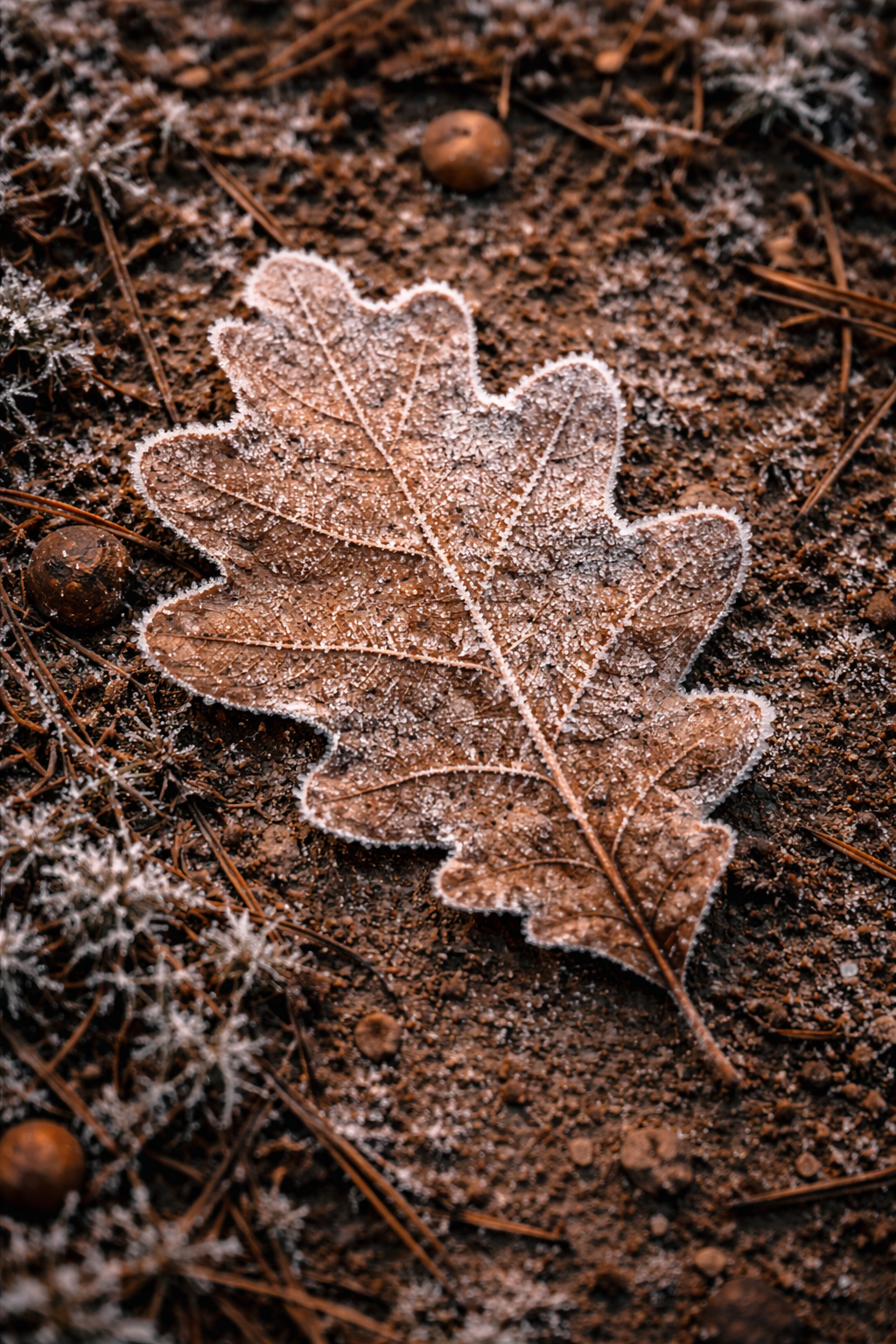
Winter Forest School hits differently. The fire is on for longer. We stomp our feet and play games to keep bodies moving and we have urns of hot water constantly on standby, so tea can warm hands and bellies. These things sound idyllic, and in lots of ways they are, but the truth is that the work can also feel harder: We obsessively check wind forecasts and have to adapt / move sessions at a moments notice; we struggle in the wind and rain to put up tarps for shelter; we drag water and dry wood across muddy fields, and onto our site for fire, which can feel like an epic workout in itself and these things are all done before a session has even begun.
For me, two things are simultaneously true; running a winter forest school can be exhausting, but it also lights my up soul in a way nothing else can during the darker months (even if I don’t realise it until after the fact when I’m back home in dry clothes - that satisfaction is next level wonderful). You can notice so much more in winter… the mud allows animal tracks to show clearly, the bare branches of trees expose old birds nests and even the sound in the woods is different if you really listen. It is bare and stark and beautiful.
Winter feels like a real contradiction for me. I love it and I struggle with it. I love the call to go inward that the Winter Solstice brings; the quiet and being at home more… but I also find that hard. It isn’t easy to sit with yourself, especially the darker parts. Low sun, longer shadows.
As the solstice approaches, I find myself thinking about how the forest holds this tension with so much more ease than I do. Nothing here is trying to fix the darkness or rush it away. The trees are not apologising for their bare branches.
The winter solstice (21st December) marks the longest night of the year. After this, the light begins its gradual return — not dramatically, not all at once, but quietly, almost imperceptibly at first… but it starts to happen none-the-less. The darkness can’t last forever and the exciting part is anticipating what might emerge from it. What seeds have been sown during the dark months? What shadows illuminated?
At forest school we work harder in winter to make the space safe and warm, but we also ask less of ourselves and of the participants. There is more gathering around the fire, more listening, more noticing. The pace softens. Conversations drift. Winter offers us permission to be exactly where we are, without needing to grow or achieve anything.
I don’t think loving winter means finding it easy. For me, it means learning how to stay with it — muddy boots, grey skies, quiet discomfort and all. The solstice feels like an invitation to honour both the struggle and the stillness, to tend a small fire rather than chase the sun, and to trust that even now, something is slowly shifting.
What does winter mean to you? I’d love to know.
Laura x